

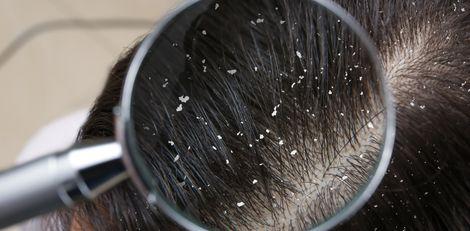
Dandruff is a common scalp condition that affects nearly half of the global population at least once. It may be caused by dry skin, fungal growth, product sensitivity, or seborrheic dermatitis. While medicated shampoos are effective, some natural remedies may help reduce flakes and itching.
1. Tea Tree Oil
Tea tree oil has antifungal and antimicrobial properties that may help reduce dandruff caused by yeast. Always dilute it with a carrier oil before applying to avoid irritation.
2. Coconut Oil
Coconut oil helps moisturize the scalp, strengthen the skin barrier, and may reduce inflammation. Regular scalp massage with coconut oil can improve dryness-related dandruff.
3. Aloe Vera
Aloe vera is known for its soothing and anti-inflammatory effects. It may help calm scalp irritation and reduce itching associated with dandruff.
4. Stress Management
Stress does not directly cause dandruff but can worsen symptoms. Managing stress through proper sleep, exercise, or relaxation techniques may improve scalp health.
5. Apple Cider Vinegar
Apple cider vinegar is acidic and may help balance scalp pH and limit fungal growth. Use it diluted, as undiluted ACV may irritate the skin.
6. Aspirin
Aspirin contains salicylic acid, which helps remove flakes and reduce scaling. Crushed aspirin mixed into shampoo may help loosen dandruff buildup.
7. Omega-3 Fatty Acids
Omega-3s support skin hydration and reduce inflammation. A deficiency may worsen dry, flaky skin, including dandruff.
8. Probiotics
Probiotics support immune and gut health, which may help control fungal overgrowth linked to dandruff and improve overall skin health.
9. Baking Soda
Baking soda may work as a gentle exfoliant and has antifungal properties. Use occasionally, as frequent use may dry the scalp.
10. Diet Changes
Reducing sugary, fried, and ultra-processed foods may help lower inflammation and yeast growth. A balanced diet supports scalp and skin health.
Additional Treatment Options
If home remedies do not improve dandruff within 2-3 weeks, medicated shampoos containing antifungal or anti-inflammatory ingredients may be needed.
Takeaway
Natural remedies can help manage mildld dandruff, especially when combined with good scalp hygiene and a healthy lifestyle. Persistent or severe dandruff may require medical treatment.
Disclaimer:
This content is for informational purposes only and is not a substitute for professional medical advice. If dandruff is severe, persistent, or associated with redness, hair loss, or pain, consult a qualified healthcare professional or dermatologist.