

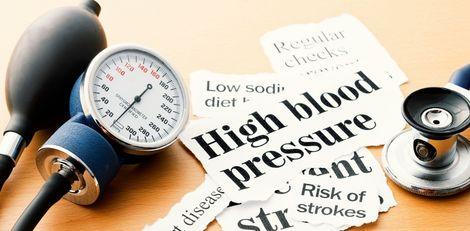
High blood pressure does not always require medication in the early stages. In many cases, consistent lifestyle changes can significantly reduce blood pressure and lower the risk of heart disease. Below are 10 practical, evidence-based ways to help manage high blood pressure naturally.
1. Maintain a Healthy Weight
Blood pressure often rises with weight gain. Losing even a small amount of excess weight can make a noticeable difference. Reducing abdominal fat is especially important, as excess waist circumference is strongly linked to hypertension.
2. Stay Physically Active
Regular exercise helps the heart use oxygen more efficiently. At least 30 minutes of moderate activity daily, such as walking, cycling, or swimming, can lower blood pressure and prevent it from rising again.
3. Follow a Heart-Healthy Diet
A diet rich in fruits, vegetables, whole grains, and low-fat dairy supports blood pressure control. Eating patterns like the DASH diet or Mediterranean diet are proven to reduce hypertension.
4. Cut Back on Salt and Sodium
Too much sodium causes the body to retain water, increasing blood pressure. Limiting processed foods, reading labels, and using herbs instead of salt can help bring blood pressure down.
5. Limit Alcohol Intake
Excess alcohol raises blood pressure and reduces the effectiveness of lifestyle efforts. Keeping intake within recommended limits can support better heart health.
6. Quit Smoking
Smoking causes a temporary spike in blood pressure and damages blood vessels over time. Stopping smoking improves circulation and significantly lowers cardiovascular risk.
7. Prioritise Quality Sleep
Sleeping less than 7 hours regularly can contribute to high blood pressure. Consistent sleep schedules, reduced screen time, and a calm sleep environment support healthier blood pressure levels.
8. Manage Stress Effectively
Chronic stress can indirectly raise blood pressure through unhealthy coping habits. Relaxation techniques, deep breathing, physical activity, and setting boundaries can help reduce stress impact.
9. Monitor Blood Pressure Regularly
Checking blood pressure at home helps track progress and identify patterns. Regular follow-ups with a healthcare professional ensure long-term control and early intervention if needed.
10. Control Blood Sugar and Cholesterol
High blood sugar and unhealthy chololesterol levels increase heart disease risk. Balanced nutrition, exercise, weight management, and avoiding tobacco help manage all three conditions together.
Final Thoughts
Lowering blood pressure naturally is a long-term commitment, not a quick fix. Small, consistent changes can lead to lasting improvements and reduce the need for medication over time.
Disclaimer:
This content is for educational purposes only and should not be considered medical advice. Always consult a qualified healthcare professional before making changes to your diet, exercise routine, or treatment plan, especially if you have existing medical conditions or are taking medication.